

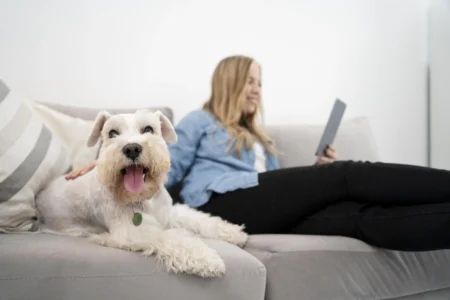
Keeping a dog at home changes daily life in ways people rarely predict. It’s not just about feeding and walking. A dog becomes part of the household rhythm. Your schedule shifts. Your attention shifts. Even the emotional tone of the home shifts. Dogs respond to consistency and energy, so the way you live starts to matter more than it did before. This isn’t a bad thing. It’s just real.
What Dogs Actually Need At Home
Dogs don’t need perfection. They need clarity. Clear routines, clear boundaries, and predictable care. Food at roughly the same time. Walks that happen even when the weather is bad. A place to rest where they aren’t constantly disturbed. When these basics are unstable, dogs become anxious, restless, or destructive. Most behavior problems start here, not in the dog’s personality.
Space Matters But Not The Way People Think
A big house doesn’t guarantee a happy dog. What matters more is how the space is used. Dogs need areas where they can relax without stimulation and areas where they can move and explore safely. Even in small apartments, dogs can thrive if walks, play, and mental stimulation are consistent. A large home without engagement often creates bored, frustrated dogs.
Routine Is What Makes Dogs Feel Safe
Dogs read patterns better than words. When daily life follows a loose but predictable rhythm, dogs relax. When routines change constantly, stress builds quietly. This shows up as pacing, barking, chewing, or clingy behavior. Stability doesn’t mean rigidity. It means the dog knows what to expect most of the time. That predictability reduces anxiety more than toys or treats ever could.
Training Is Really About Communication
Training isn’t about control. It’s about shared language. Dogs don’t understand rules unless those rules are consistent and reinforced calmly. Mixed signals confuse them. Yelling teaches fear, not understanding. Clear cues, calm repetition, and patience build trust. A trained dog isn’t just obedient. It’s more confident because it knows how to succeed in its environment.
Cleanliness Affects Both Dog And Human Health
Living with a dog means managing hair, dirt, and bacteria. Regular cleaning matters, but obsession doesn’t. Washing paws, cleaning bowls, ventilating rooms, and maintaining bedding reduces allergens and keeps the home comfortable. Poor hygiene affects dogs too, leading to skin issues and infections. Clean doesn’t mean sterile. It means balanced.
How Dogs Improve Physical Health
Dogs quietly push people toward healthier habits. Walking becomes non-negotiable. Sitting all day becomes harder to justify. Even short daily walks add up. Movement becomes routine instead of a task. Studies consistently show that dog owners tend to be more physically active, not because they planned to be, but because the dog requires it.
Mental Health Benefits Are Subtle But Real
Dogs regulate emotional states without trying. Their presence lowers stress hormones and increases feelings of calm. They provide structure during difficult periods and reduce loneliness without demanding conversation. Dogs don’t judge moods. They respond to them. That responsiveness creates a sense of being seen, which matters more than people often admit.
Dogs And Children Influence Each Other
When dogs live with children, both change. Children learn responsibility, empathy, and boundaries. Dogs learn patience and adaptability. Supervision is essential, but when handled well, this relationship benefits emotional development on both sides. Dogs often become stabilizing figures for children, especially during stressful transitions.
Health Risks Exist And Shouldn’t Be Ignored
Living with dogs isn’t risk-free. Allergies, parasites, and scratches are real concerns. Regular veterinary care, vaccinations, parasite prevention, and hygiene reduce these risks significantly. Most problems arise from neglect, not proximity. A healthy dog living in a well-managed home rarely creates serious health issues.
Dogs Reflect The Household Environment
Dogs mirror the emotional climate of the home. Calm households tend to have calmer dogs. Chaotic environments often produce anxious behavior. This isn’t blame. It’s feedback. Dogs respond to tone, tension, and energy. When owners adjust their own habits, dogs often improve without direct intervention.
Keeping A Dog Is A Long-Term Relationship
A dog isn’t a phase or a decoration. It’s a long-term responsibility that evolves over time. Needs change with age. Energy levels shift. Health issues appear. The relationship deepens if care adapts instead of staying fixed. People who accept this find that living with a dog becomes easier, not harder, as years pass.
Dogs Improve Health By Changing How You Live
Dogs don’t improve health by existing. They improve health by changing behavior. More movement, routine, presence. More emotional regulation. These changes aren’t dramatic. They’re cumulative. Over time, living with a dog reshapes daily life in quieter, healthier directions. When cared for properly, dogs don’t just share a home. They improve how that home feels to live in.