

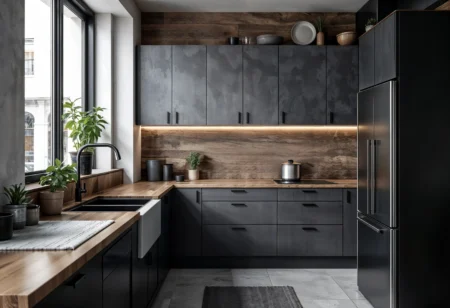
Kitchens used to be luxury projects. In 2026, they’re central to daily life. Not just cooking, but working, socializing, eating, entertaining. People stopped renovating for looks and started renovating for how they actually use the space. That’s why the best kitchen solutions now focus on flow, durability, and real purpose.
Good kitchen design doesn’t just look good. It works with how you live every day.
Open But Functional Layouts That Still Feel Defined
Open-plan kitchens dominated the last decade, but 2026 looks more nuanced. People want an open feel without losing functional zones. Instead of removing all walls, designers create “visual separations” that still let light and movement flow. Examples include kitchen islands that double as partial dividers, subtle level changes in flooring, and overhead lighting that maps out work zones.
This maintains connection with the rest of the home while still giving cooking and prep their own space, so mess doesn’t spill everywhere and routines don’t collide.
Appliances Sized For Real Use Instead Of Show
Huge top-of-the-line ranges still catch attention online, but practical sizing wins in actual homes. People choose appliances based on how they cook, not based on promotion. A range that’s big enough for family meals but not oversized for daily use. A dishwasher chosen for noise levels and cycle options people actually use. Refrigerators with flexible storage and lower energy use rather than just mega capacity.
It’s about appliances that fit real life, not perfect Instagram kitchens.
Durable Materials That Don’t Feel Industrial
Stone and quartz counters are still popular, but alternative materials that balance durability with warmth are rising. Porcelain slabs that resist stains and heat, FSC-certified wood touches that hide minor wear beautifully, and matte finishes that don’t show every fingerprint.
People in 2026 want kitchens that look lived-in without showing neglect. The idea is that durability should feel natural, not clinical.
Storage Designed Around Habits
Traditional cabinets are giving way to smart storage that matches how people actually use items. Deep drawers instead of awkward upper cabinets. Pull-out shelves that bring items to you. Hidden compartments for small appliances so counters stay clear. Vertical storage near prep zones for cutting boards and trays. Recycling and compost sorting built into cabinetry instead of having separate bins that get kicked around the floor.
Storage that fits habits makes daily tasks faster and less chaotic.
Lighting That Adapts, Not Stays Static
Flat ceiling lighting is fading. Adaptive lighting that shifts based on activity is becoming a standard. Brighter task lighting for prep, warmer light for dinner time, strip lighting under counters that hides but illuminates when you need it.
Linked lighting systems can adjust automatically based on time of day or kitchen activity, so the space feels intuitive instead of staged.
Water Management And Easy Cleaning
Long before trends, kitchens are judged by how easy they are to live in. In 2026, that means surfaces and layouts that repel grime and make cleaning quick. Seamless backsplashes that don’t trap food particles. Faucets with simple touch or gesture controls so you don’t smear germ contact across handles. Flooring materials that handle spills, grit, and heavy foot traffic without dulling.
A kitchen that stays clean with minimal effort feels dramatically better than one that looks stunning but gets messy instantly.
Reuse And Sustainability Are Practical Choices
Sustainability in kitchen design isn’t about statements. It’s about smart durability and lifecycle costs. Reclaimed wood for islands or shelving. Recycled metal or glass accents. Low-flow faucets that save water without affecting performance. Energy-efficient appliances that cut utility bills. Even lighting selections that favor long-lasting LEDs with good color quality.
These choices don’t just look responsible. They reduce stress and waste over time.
Flexible Islands That Serve Multiple Roles
The kitchen island used to be storage plus prep space. Now it’s a hub. A hidden breakfast nook. A flexible workspace. A homework station. Some islands even include pop-up charging stations, prep sinks, or built-in bins so everything you need stays within reach.
The trend is clear: islands that adapt, not just sit.
Backsplashes With Purpose, Not Just Pattern
Backsplashes are moving from purely decorative to functional art. Textured tiles that mask smudges. Porcelain sheets that match or contrast counters without grout lines that trap dirt. Some kitchens use magnetic backsplash panels that become holders for tools or spice racks.
This makes cleaning easier and keeps tools where you actually use them.
Finishing Touches That Support Daily Life
Handles that don’t get greasy. Drawer systems that close quietly. Outlets integrated discreetly where they’re useful. Visible hardware placed based on reach and comfort, not symmetry.
These tiny decisions shape how a kitchen feels every day. A small inconvenience repeated 100 times a week matters more than one big design decision.
Kitchen Renovations In 2026 Are About Empowerment
What defines the best kitchen solutions in 2026 isn’t a look or a style. It’s empowerment — making a space that supports what you do most, with less friction and drama.
A kitchen that understands your habits, adapts to your routines, and stays functional without constant effort changes how you use your home. When design feels like it gently guides you instead of demanding attention, that’s when a kitchen truly works.
That’s the subtle shift happening right now, and it’s why kitchens in 2026 feel less like set pieces and more like environments that serve real life.
Picture Credit: Freepik